
We’ve been on holiday, you’ve been on holiday, but the mobile games industry must have missed the memo and continued to launch new games and seasonal campaigns. The good news for you (our subscribers) is that this all means an absolute mammoth Analyst Bulletin this month to cover everything you need to know about what’s been happening while the sun was shining.
App store releases usually come to a halt during the seasonal lull, but LiveOps teams appear to have given up their sun loungers this year in favor of their office chairs to launch major feature updates and monetization experiments. Taking a look at casual titles, there has been a shift towards energy-based exploration minigames and more complex gacha systems, whereas the midcore giants have opted for seasonal collectible album events and roguelite PvP modes. We also spotted a consistent mid-summer surge of casualized 4X strategy titles that are quickly scaling up behind the scenes.
For more details on these updates, titles, and the latest mobile market trends, take a look at our full Analyst Bulletin below.
July’s and August’s casual game updates
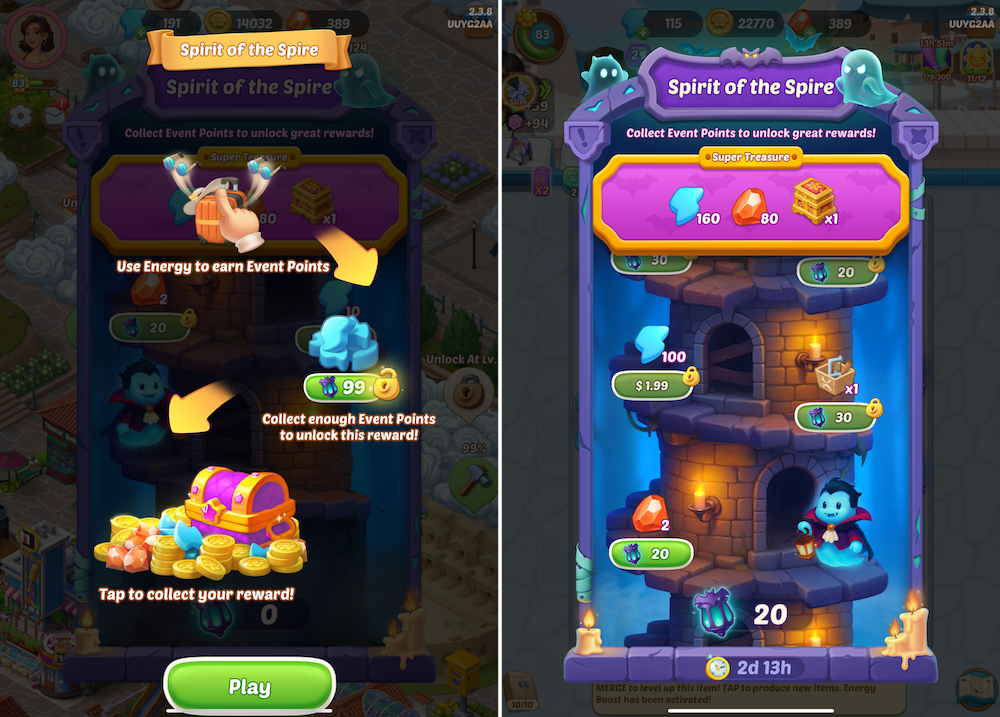
Microfun Limited, which is taking Seaside Escape’s name fully in its stride this summer, launched the Spirit of the Spire event, which marked a clear step forward in how the game monetizes its in-game events. The event uses a hybrid offer system, similar to the one that originated with games like Coin Master, Superplay’s Dice Dreams, and Disney Solitaire, combining standard engagement bundles with chain-offer mechanics. Players advance through milestone reward tracks like normal, but at certain points, progress is locked behind real-money purchases instead of regular in-game collection. This approach builds a direct link between event progression and monetization, embedding spending opportunities into the core event loops.
One of this summer’s major trends seems to be the revival of exploration minigames, which take an existing gameplay mechanism and give it a fresh boost. Players spend energy from core gameplay or passive regen to clear map obstacles, unlock hidden areas, and advance through story arcs.
We’ve seen exploration modes in games many times before, and usually they’re added for a few months, then, after a few innovations to the core format here and there, they die down again. These limited-time modes were first implemented years ago in games such as Klondike Adventures and Family Island, which have used exploration modes for years. Major publisher Playrix has run exploration events across its portfolio since Gardenscapes first introduced them in 2020.
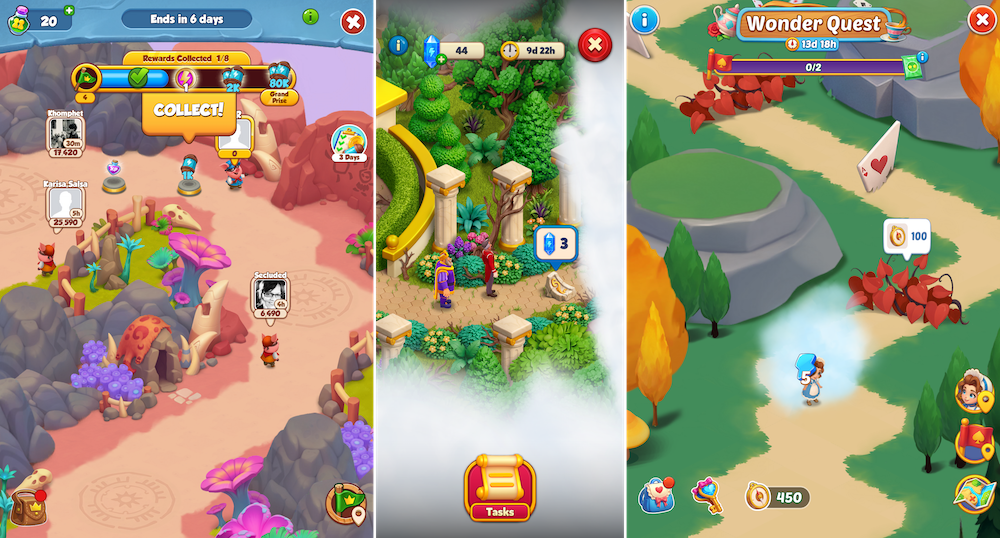
Just like the temperature this summer, however, exploration events have been heating up, with four new exploration event types launching in leading casual titles. Coin Master rolled out Lost Explorers, a four-player co-op event that combines map exploration, boss battles, and shared progression, building on mechanics from earlier popular partner events. Royal Match ran its first energy-based exploration event, which also introduced a narrative-driven structure to the game for the first time. Tasty Travels added Wonder Quest, the title’s first iteration of an exploration minigame, where players use compasses from core events to move across a separate map and reach the Bingo Voyage Treasure Trek. Truck Star also entered the space with its first exploration event. It’s clear that players are enjoying the sense of a gamified milestone reward track that’s really well visualized, and it’ll be interesting to see if any more titles adopt exploration modes as we move into fall.
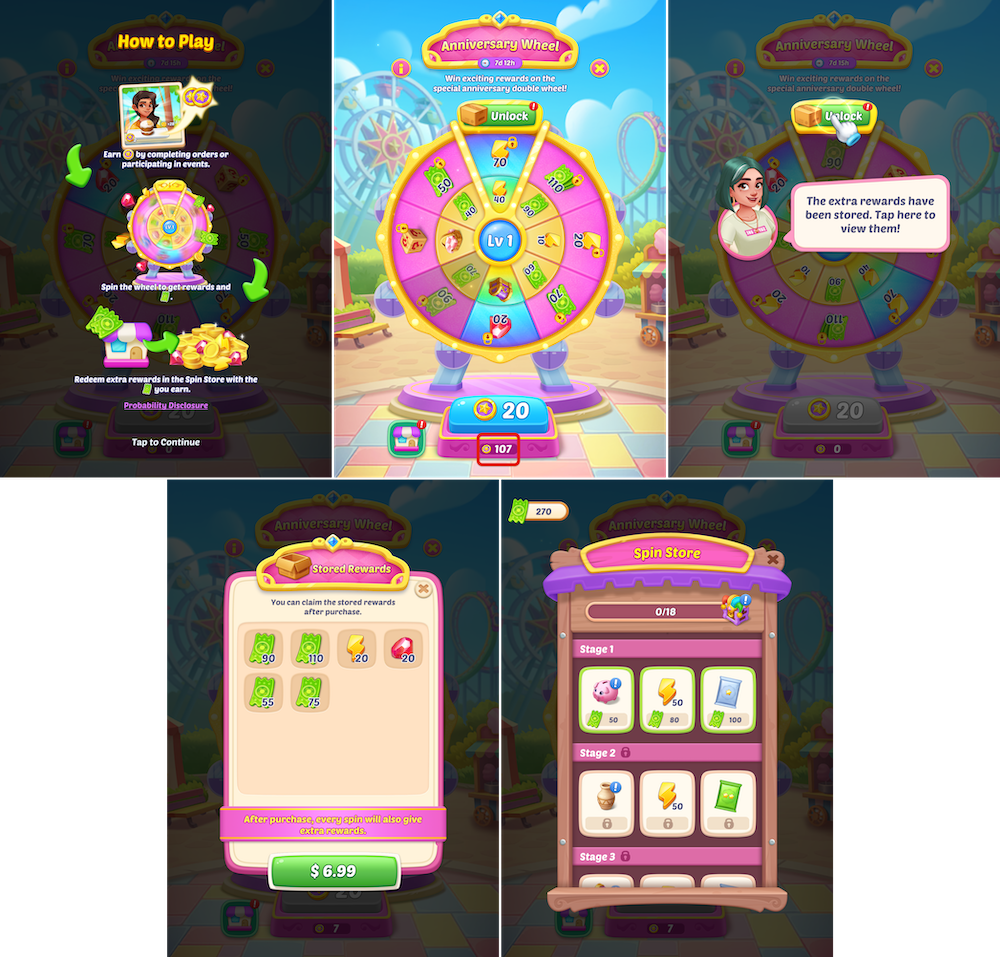
Gacha features are increasingly being incorporated into games aimed at a casual audience, and Gossip Harbor offered one of the most advanced examples this season with its Anniversary Wheel event. The event essentially creates a Battle Pass–gacha hybrid, bringing parallel free and premium reward layers into a randomized reward wheel. Spins are earned through normal gameplay, granting an immediate free reward while adding a corresponding reward to the premium layer, which can be unlocked with a one-time purchase at any point during the event. This allows premium value to build up naturally through engagement, rather than requiring players to pay for the spins themselves or face a paywall at the start. Gossip Harbor further deepened the loop with upgradable wheel tiers and a six-stage Spin Store, giving the gacha system its own longer-term progression pathway and currency economy.
Additional casual gaming highlights and news
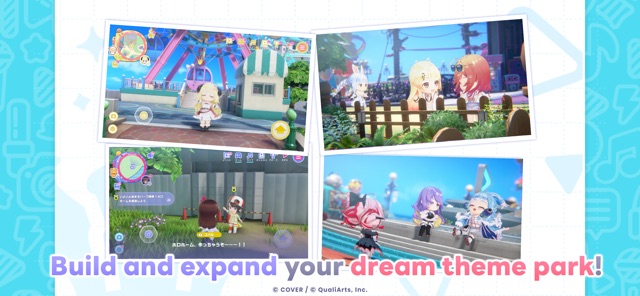
In late July, Hololive, a Japanese agency that has created several popular VTubers (with almost 100 million subscribers across its VTuber channels), launched the rhythm game hololive Dreams in Western and Asian markets, featuring a mix of a theme-park-building meta and a VTuber character gacha. Rhythm games rarely break into the top-grossing ranks in the US, but hololive Dreams peaked at #8 in the Top Downloads chart and #4 in Top Grossing. In Japan, it briefly reached the top-grossing spot and has managed to stay in the top 10.
Rhythm mechanics still struggle to gain long-term traction in the West, and the performance of hololive in general in the West has crashed too. However, the genre remains strong in Japan, with five pure rhythm titles in the Top 200 Grossing Chart due to idol culture and arcade roots. hololive Dreams is the best-performing music title in the West in a long time, with regular spikes in both revenue and downloads.

Over in the puzzle section, it’s interesting to see that a daily newspaper has become one of the top publishers. On August 28, The New York Times Games reached ninth place in the revenue charts, marking the first time it has achieved such a high position. The increase in revenue was mainly due to a heavily advertised 75% discount on first-year subscriptions, which follows a well-established pattern in which large subscription discounts lead to significant short-term revenue boosts. Since the New York Times already has a customer base that’s comfortable with subscription models and a demographic that is happy to pay for a premium experience, this crossover has seemed very natural for both the company and the players.

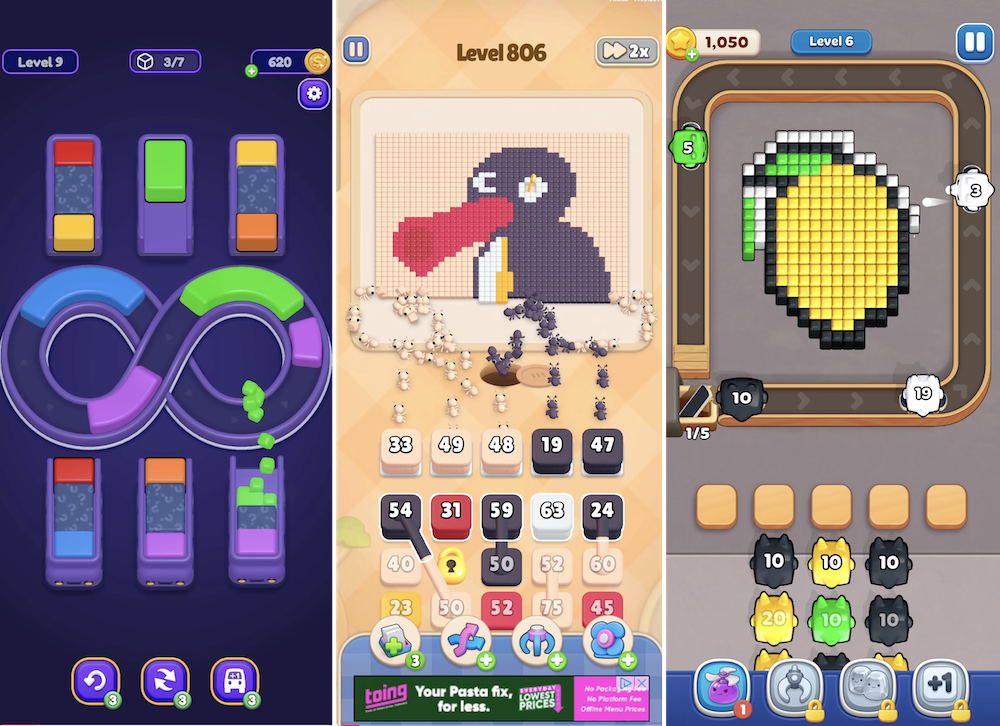
We’ve highlighted in previous bulletins that hybrid-casual puzzles remain the single hottest area of growth across the entire mobile landscape. Following Pixel Flow’s explosive runaway success and subsequent acquisition by Scopely earlier this year, developers are rushing to scale titles that combine hybrid monetization (IAA + IAP) with instantly understandable, visually satisfying core mechanics. Summer saw a wave of sorting-tile games attempting to carve out territory around Pixel Flow’s blueprint.
Voodoo introduced Loop Sort, a conveyor-belt sorting puzzle, which achieved its first entry into the Top 200, reaching #161 in Top Grossing and #8 in Top Downloads Chart. Colony Flow gave the formula a new visual aspect by replacing the rotating belts with ant swarms that clear the blocks from the center of the screen, using the satisfying ‘swarm’ visuals to support its user acquisition advertising before advancing to #47 in Top Grossing in mid-August. Meanwhile, Moon Active carried out aggressive expansion beyond the Coin Master arena with Jelly Busters, which steadily improved its grossing rank throughout the summer, reaching #26 by the end of August.
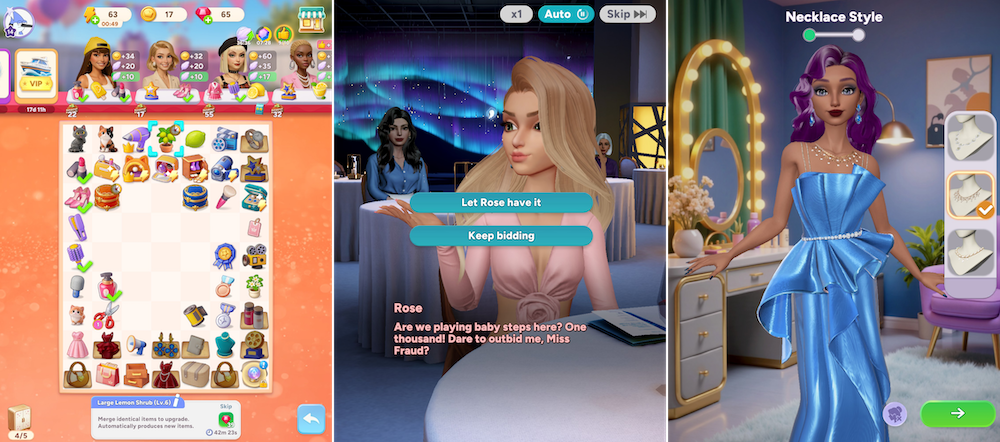
The Merge-2 subgenre gained momentum, with studios differentiating through theming, meta-systems, and narrative. Foodstars spiked in downloads and reached #97 in Top Grossing in late August after a slow build since its December 2025 launch, having previously hit #194 in July. Century Games made major moves and pushed two titles: Family Farm Merge climbed to #173 in Top Grossing, while Hotel Legacy entered the Top 100 in early August and peaked at #79. Hollywood Merge moved up to #91, which is impressive considering it’s not leaning on any celebrity IPs to boost its rankings like other fashion-centric merge-2s might. Merge Teahouse, on the other hand, continuing with its classical Chinese theme, briefly entered the Top 200 before dropping back down again.
July’s and August’s midcore game updates
On August 25, the midcore segment saw Marvel SNAP roll out a major update introducing Draft mode. This mode, developed through ongoing community feedback, is a limited-time PvP mode that allows players to use Draft Tickets to select a Starter Set, draft a temporary deck, and run until they reach either the win or loss limit. It’s a format similar to that of Hearthstone Arena. SNAP takes the gameplay loop a step further by incorporating deck upgrades between matches and roguelike Augments.
The launch caused an immediate spike in player downloads, with iOS downloads doubling compared to the pre-launch baseline. We also get the sense that, with everything going on with the Marvel IP this summer, the new mode has helped re-energize people looking for Marvel-themed games.
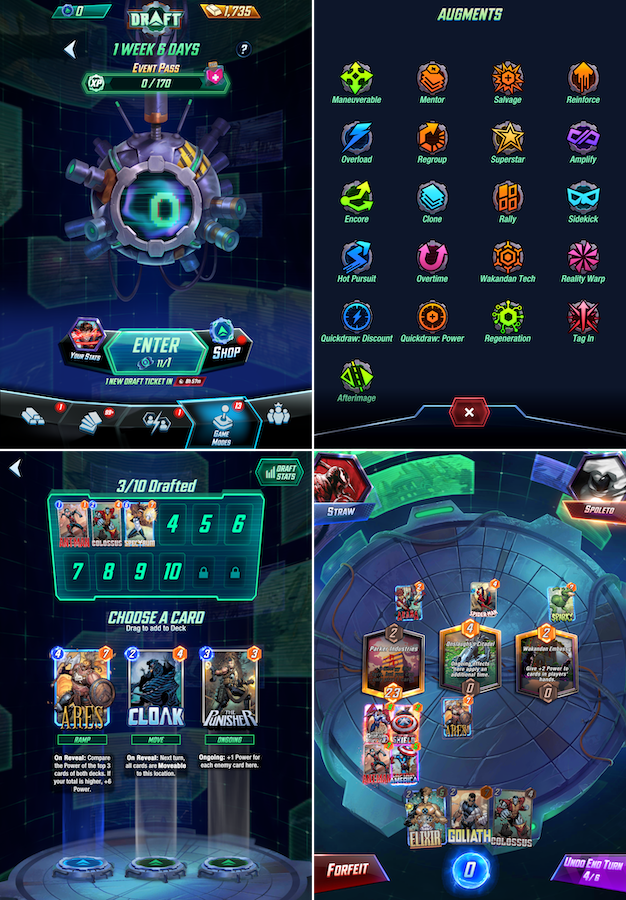
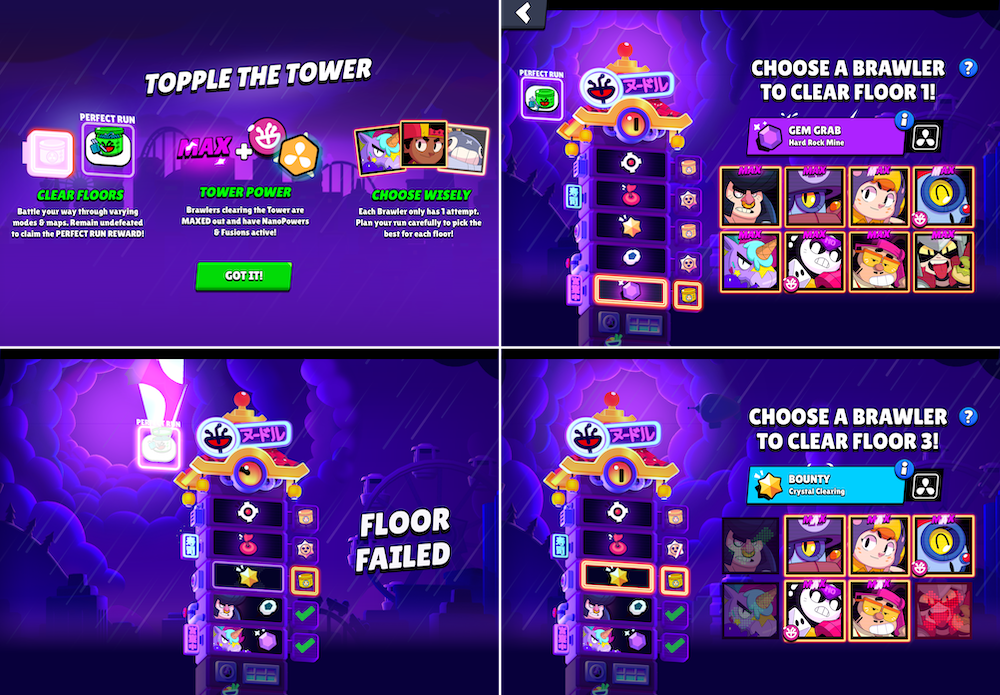
It is interesting that the Draft mode in Marvel SNAP reflects a broader structural change, which is also evident in Brawl Stars’ new Topple The Tower event. In both games, stages based on run-based gauntlets (something that has usually been used in RPG PvE) have been introduced into competitive PvP formats. In Topple The Tower, players go through five matches using a range of different modes and maps with a limited selection of maxed-out brawlers, and they focus on those that have NanoPowers and Fusions (the game’s seasonal power-ups). Each brawler can be used only once per run. If a player loses a match, that brawler is consumed while keeping them on the same stage for another attempt, with the overall run only ending if they run out of brawlers completely. This adds a high-stakes element of strategic roster management.
The mechanics of collectible album games have always been a standard feature of casual titles. Now, they’re becoming a key element of LiveOps in midcore. To mark its 14th anniversary, Clash of Clans launched Clash of Cards, which was its first seasonal collectible album event. Players obtained cards of different rarities from card packs received through events, battles, the webstore, social media, and the Trader, and duplicates could be traded among clan members. Rewards were earned by completing sets and reaching the milestone threshold marks on the collection bar, a system that Supercell also used in the Wandering Warrior event in Clash Royale.
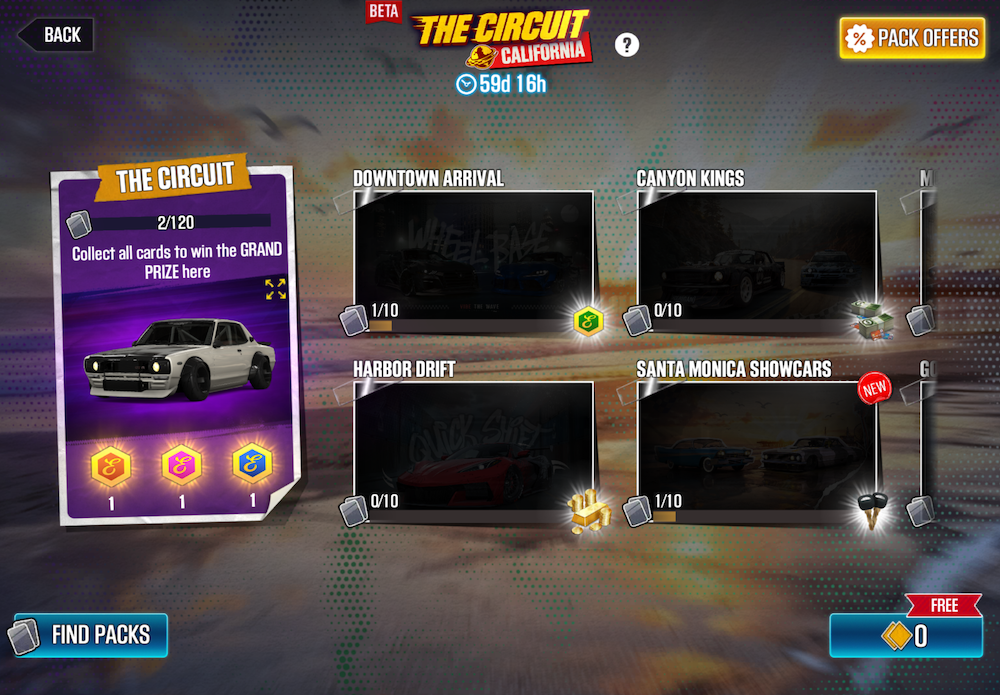
Likewise, racing game CSR 2 introduced The Circuit, in which card packs obtained from PvE events, the battle pass, and the daily login calendar gave rise to duplicate cards that can be converted into Shards for use in a special store. Finishing the posters awarded Universal Elite Parts as well as an exclusive Grand Prize vehicle.
Additional midcore gaming highlights and news
The 4X strategy landscape experienced an exceptionally frantic summer, during which seven distinct titles scaled concurrently through July and August: Last Asylum: Plague, Police Chief, Z Route: Redemption, Top Lords, Game of Thrones: Dragonfire, Top Force: Commander, and Lordrush. Notably, all seven titles have been new launches this year and seem to have found their footing alongside legacy 4X stalwarts like Infinity Kingdom.
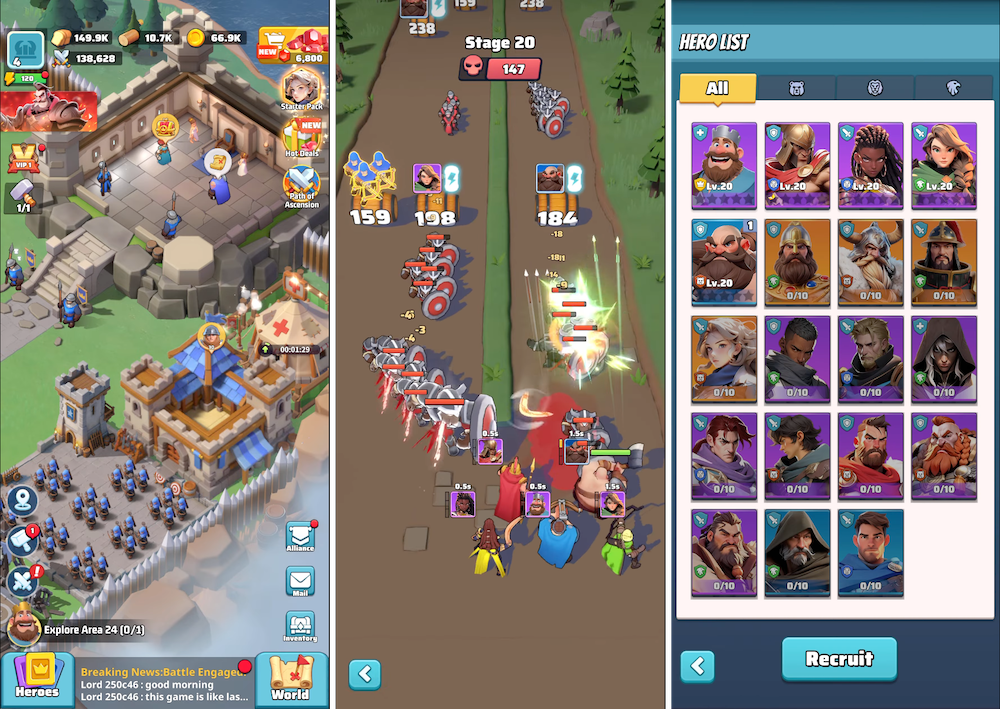
Two of these titles – Lordrush and Top Force – hail from Century Games Innovation. Lordrush essentially operates as a reskin of Kingshot, maintaining its signature tower-defense minigames and simulation onboarding while replacing the cartoonish visuals with realistic art to appeal to a specific audience. Overall, these casual versions of the 4X genre adhere to a well-established approach: light base management, casual onboarding elements, simplified combat, and stylized visuals, first popularized by leading titles such as Whiteout Survival and Last War: Survival.
Eastern publishers have continued to lead the way with this design approach, and performance data show that the market has not yet become saturated. By late August, Z Route: Redemption had made it into the top 100 grossing titles, Last Asylum: Plague entered the Top 50, Top Lords reached #187 in Top Grossing, Police Chief got to #124, and Top Force attained #186.
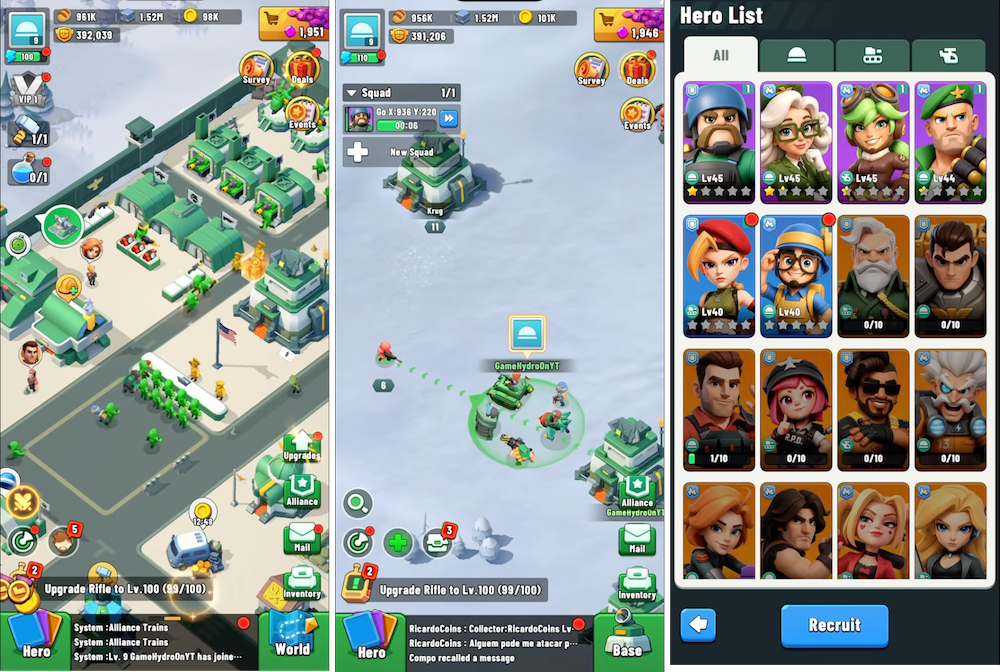
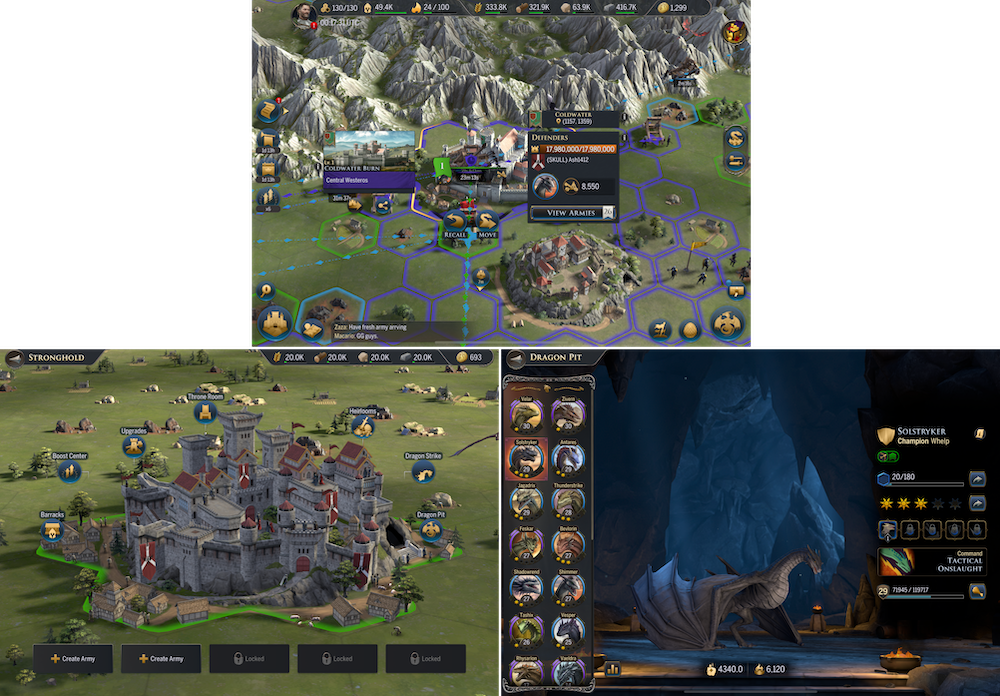
The major exception to this casualized wave is Game of Thrones: Dragonfire, a strategy game published by Warner Bros. Games. Rather than including casual onboarding minigames, Dragonfire sticks to the traditional style of hex-map tile conquering and dragon-centric character progression. Although its number of downloads declined after launch, its revenue steadily increased, and as a result, the game reached the top 50 grossing, and peaked at #33 in Top Grossing in August. This demonstrates that a strong IP combined with the traditional features of the 4X genre can still succeed against games that have been casualized (at least in Dragonfire’s case, while the TV tie-in tailwind lasts).