
In comparison to previous months, May was a little on the quieter side. However, that didn’t stop top grossers from testing new mechanics, with Coin Master expanding its overarching event systems beyond gacha-centric core mechanics and Whiteout Survival doubling down on casual-style puzzle events to keep its midcore audience engaged. Meanwhile, a major console publisher made its long-awaited return to mobile.
Across casual and midcore, we saw several noteworthy, strategic shifts. Coin Master expanded its System-Driven event framework beyond gacha-based core mechanics for the first time, placing a merge minigame at the center of progression while still maintaining its interconnected gacha-driven reward ecosystem. Free Fire refined its ultra-whale auction format with serialized skins and a refund mechanism, while Clash of Clans introduced a three-way community vs. community vs. environment event that could be the right direction for others to follow in their social competitions.
For more details on these updates, titles, and the latest mobile market trends, take a look at our full Analyst Bulletin below.
May’s casual game updates
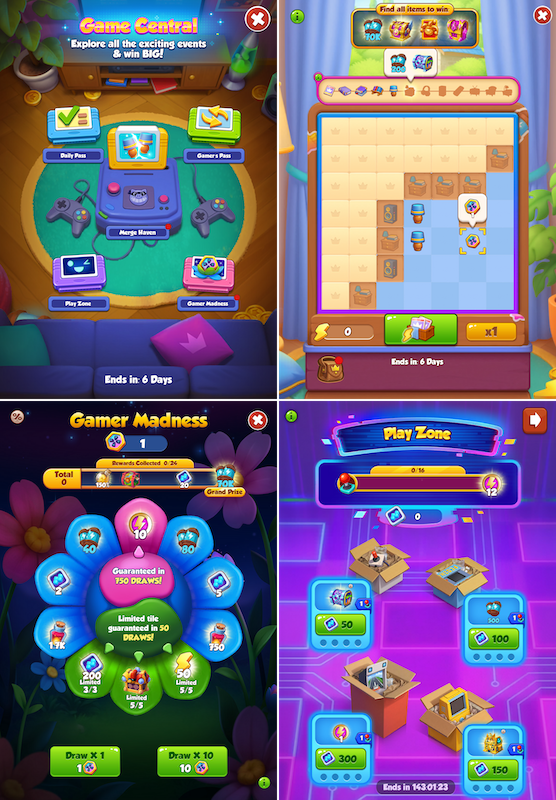
Coin Master’s Game Central recently launched an event centered on the merge minigame, Merge Haven. This marks the third time Coin Master has run a System-Driven overarching event, where several events are connected through one interface rather than just sharing a theme. The difference this time is that the main feature is not a gacha. Merge Haven is now the core of Game Central, and players progress by using sparks to merge items, which generate tokens for a supporting gacha and contribute to upgrade rewards. Mini BPs also support both event and main game progression.
Coin Master is putting more focus on these System-Driven event collections. The first two versions were based on gachas, but this third event shows they are open to trying new core mechanics, like merging. They are still keeping the multi-layered, interconnected progression system. We can expect more of these large-scale event systems in the future, each with its own unique mechanics.
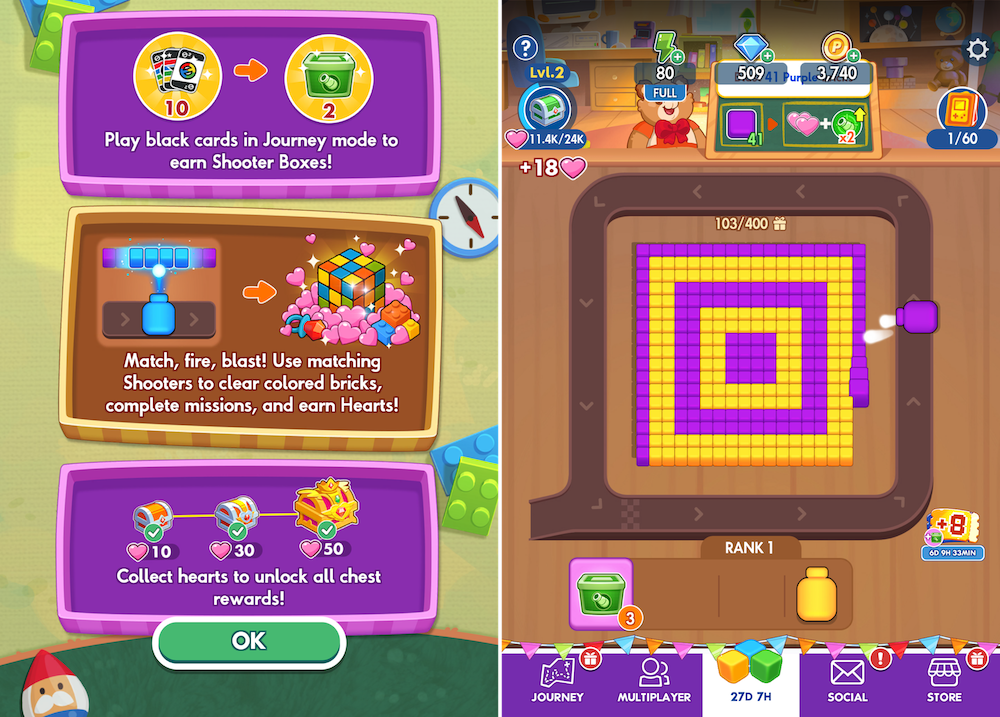
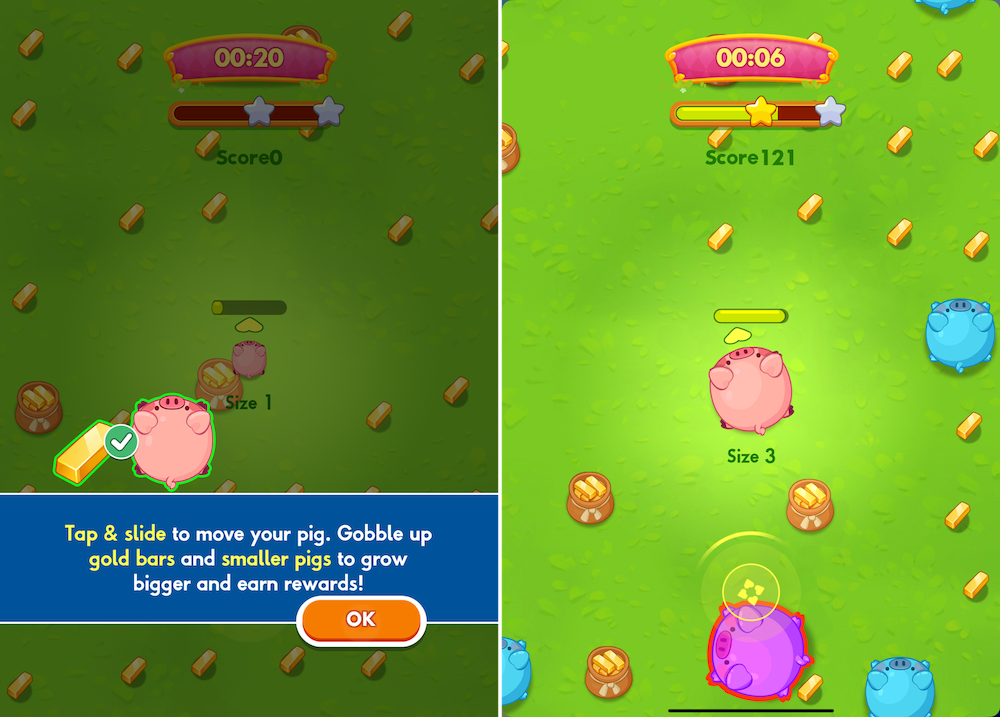
Phase 10’s main event was Pixel Blitz, with Piggy Frenzy as the minigame. Players use special black cards in the main game to earn energy for the event. The minigame gives points for the event and energy for the main game. Phase 10 often uses popular mechanics in its monthly events. The mechanics for these two events came from Pixel Flow and All in Hole. This strategy of borrowing proven hyper-casual blueprints is a low-risk way to refresh the live-ops calendar without building mechanics from scratch.
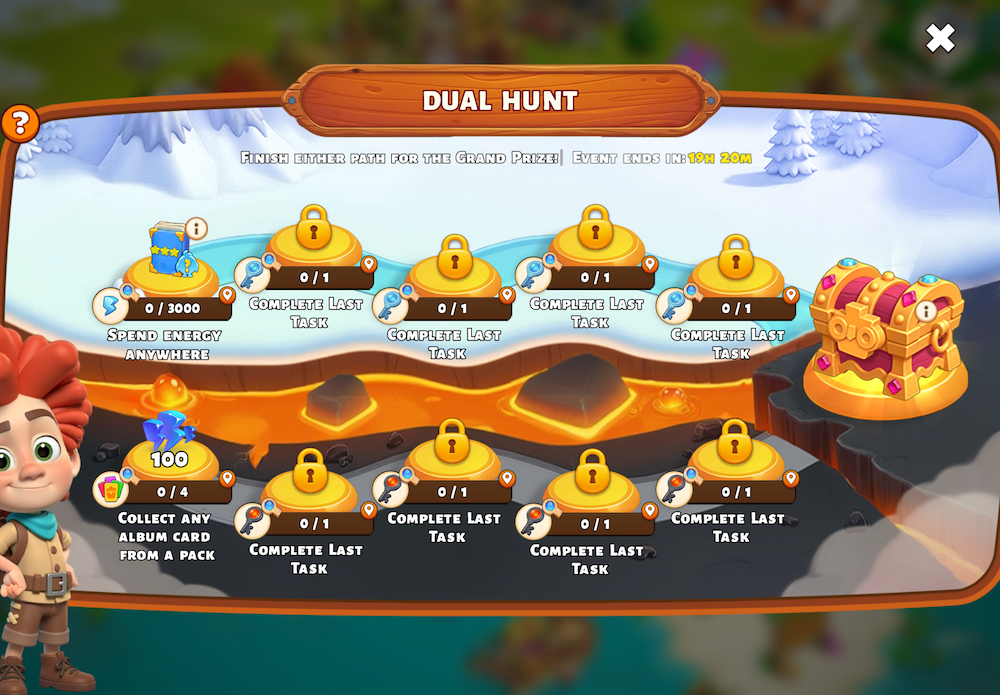
Family Island launched Dual Hunt, a task event where players complete objectives on two different paths to reach the Grand Prize chest. Allowing players to choose difficulties and rewards has become common in casual games, and Dual Hunt continues this trend in a new way. The dual-path structure offers a form of risk-versus-reward choice, giving players more perceived control over their event outcome.
Additional casual gaming highlights and news
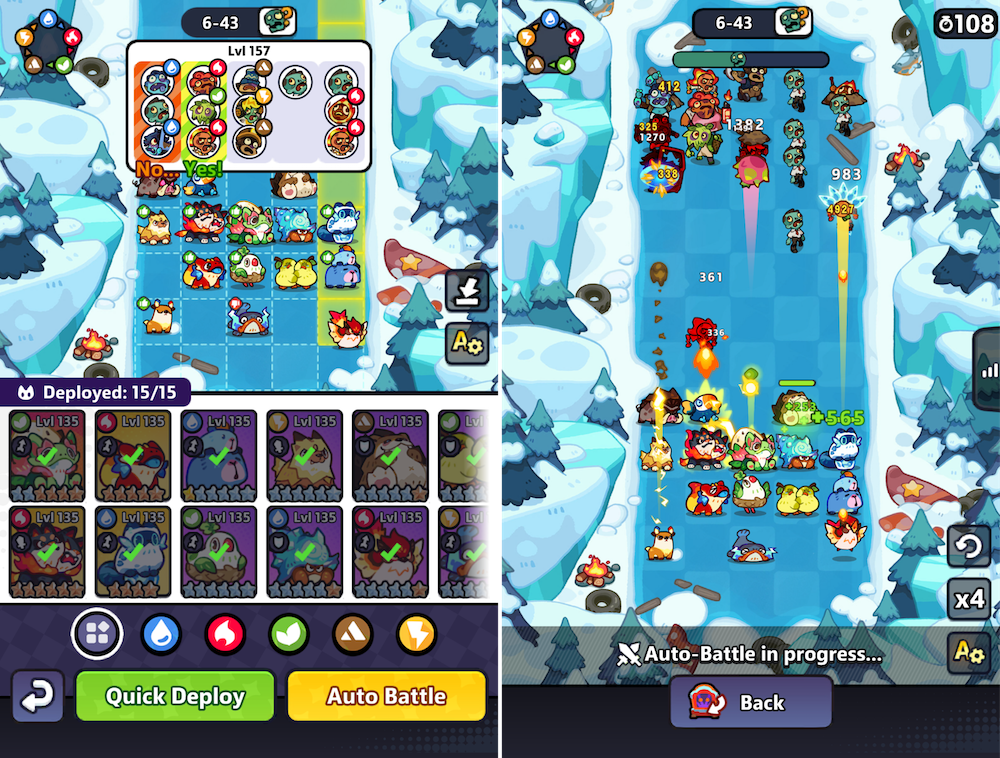
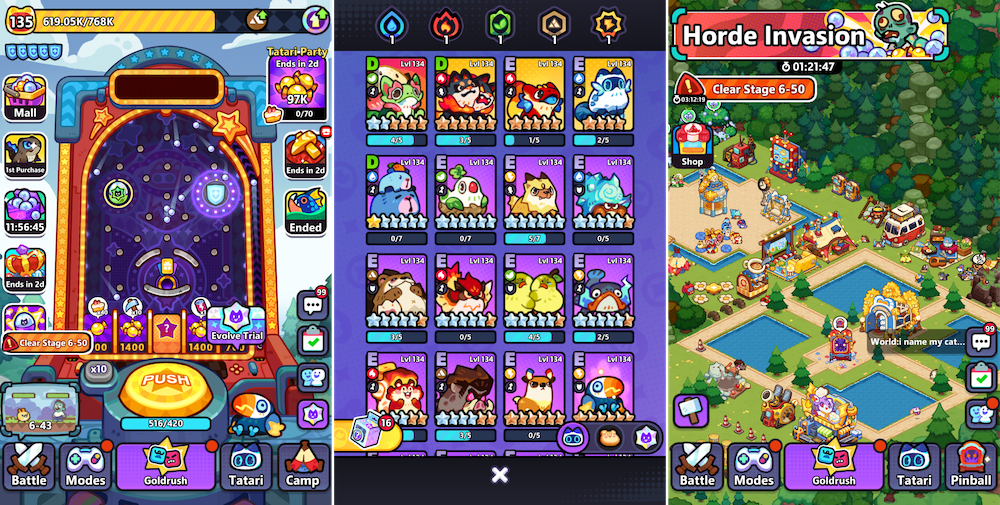
Lilith’s Clash of Critters mixes grid-based autobattler lane defense with a fun creature-collection system. Players use a team of upgradable, elemental Tataris to fight off enemies. The game also includes pinball-style casino mechanics for level progression (not too far from Monopoly GO!/Coin Master-style mechanics) and a customizable base-building camp. Lilith is experimenting with an unconventional genre mash-up here, creating multiple distinct engagement hooks. The stable post-launch revenue suggests a dedicated spending audience has been found, reinforcing the viability of niche hybrid titles.
The game launched strongly, reaching #1 in downloads and #66 in gross revenue. While downloads dropped after launch, revenue stayed steady through May.
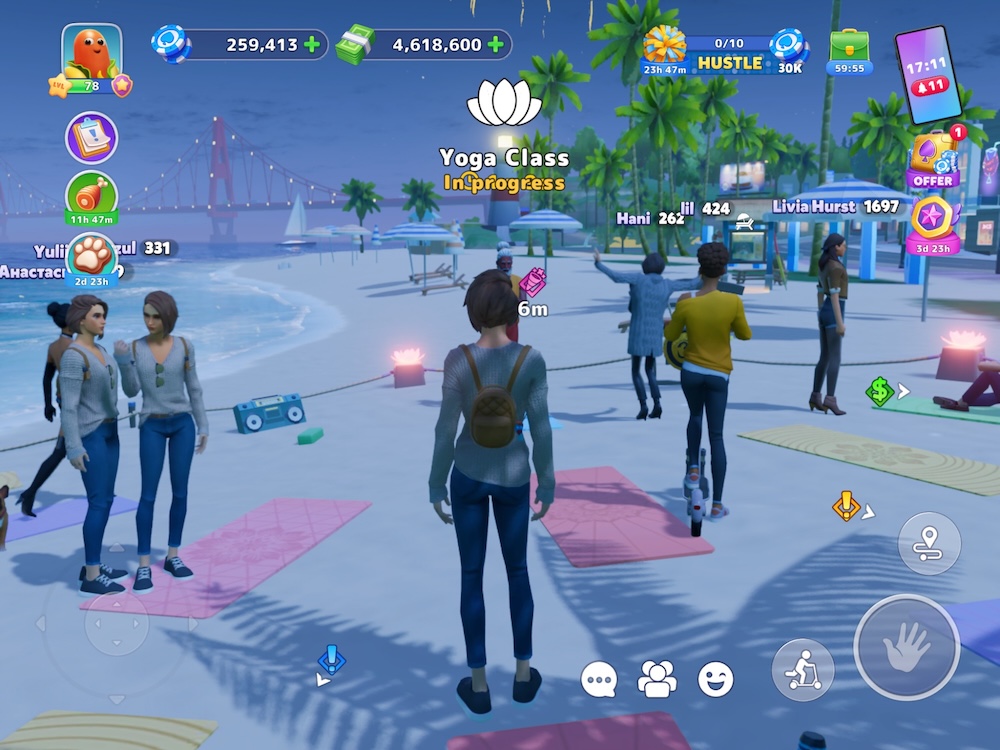
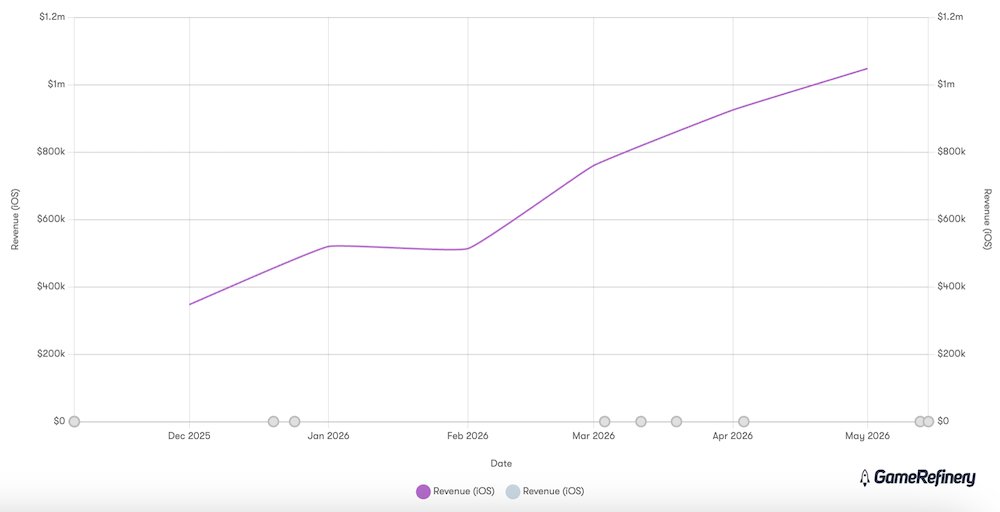
Sunday City combines slot gameplay with a social-simulation open world and idle tycoon mechanics. In May, it reached the top GR 100 and hit a new revenue high. The game has grown steadily each month, with slots as the main revenue source. Players fund business construction by playing slots, then place businesses in the open world. Finished buildings boost idle currency needed for slots. The feedback loop between high-engagement slots and high-retention world-building gives spending on spins tangible value beyond the spin itself.
May’s midcore game updates
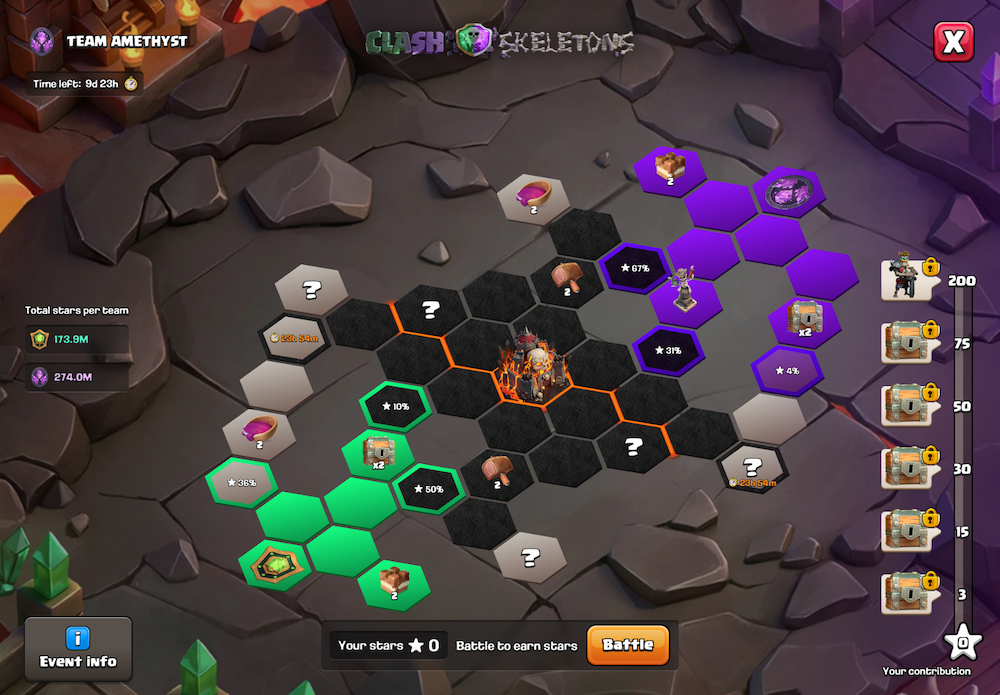
Clash of Clans ran its Clash vs Skeletons event, the first global community event with a map-conquering format. Players joined either Team Jade or Team Amethyst and worked together to conquer tiles on the map, competing against the other team and Skeletons. Players earned Stars from Battles or Ranked Battles to help their team conquer tiles. The event’s goal was to reach the center of the map, defeat the Skeleton Base, and earn rewards.
Players could get rewards by conquering certain tiles, including the Skeleton Base, which gave an exclusive Skeleton Base Scenery. They could also earn rewards from a personal track by collecting Stars, with the Skeleton King Hero Skin as the final prize. This three-way tension between personal progression, collective achievement, and competitive rivalry is a sophisticated live-ops design that drives both individual logins and community coordination.
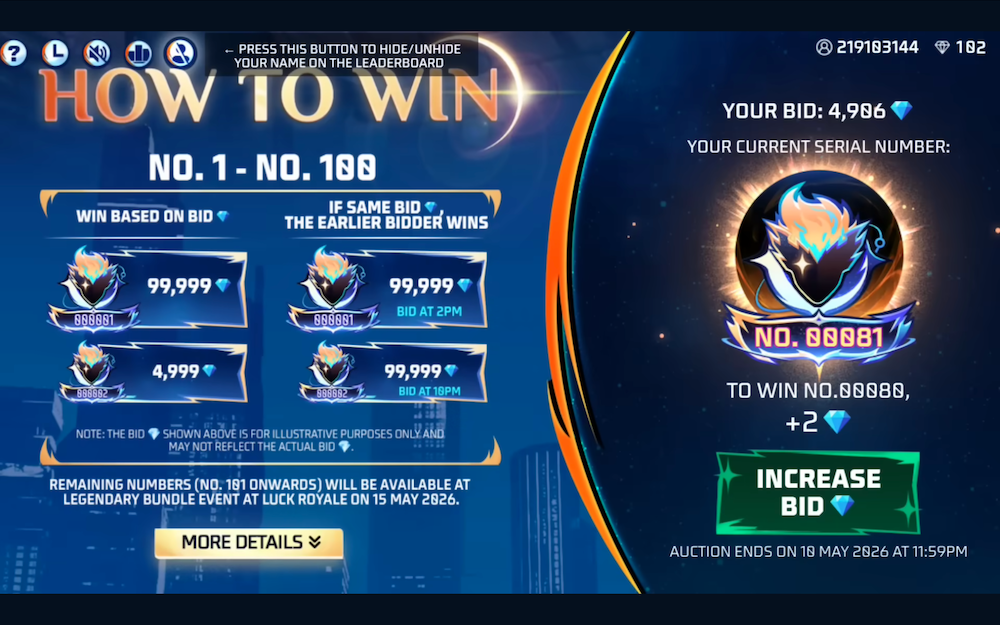
Free Fire introduced the Eclipse Bundle Legendary Auction, featuring a new premium skin and the return of the Legendary Auction event. The skin bundle was serialized, so players with it could display a unique identifier on their profile and in matches. Players bid with Gems, and the top 100 bids appeared on a leaderboard. At the end of the event, the top 100 players received their serialized bundles, and everyone else got their Gems back. The highest bid for the 00001 skin was 300,000 Gems, worth about $2,500 to $3,000. Later, the skin was released in a regular gacha, with serial numbers starting from 00101. This two-phase strategy maximizes revenue from both ultra-whales and the mass market, with the refund mechanism encouraging higher bids by removing the fear of losing spent currency.
Whiteout Survival added a new puzzle minigame called Spectral Ice Shack: Slush Station. Players arrange coloured Jam Gloops in the right order using Vivid Jam to complete shaved ice orders and earn Vivid Vouchers. This event shows that Whiteout Survival is using more casual-game mechanics in its live-ops calendar. The structure is similar to sequence puzzle events found in games like Royal Match, Monopoly GO, and Matchington Mansion.
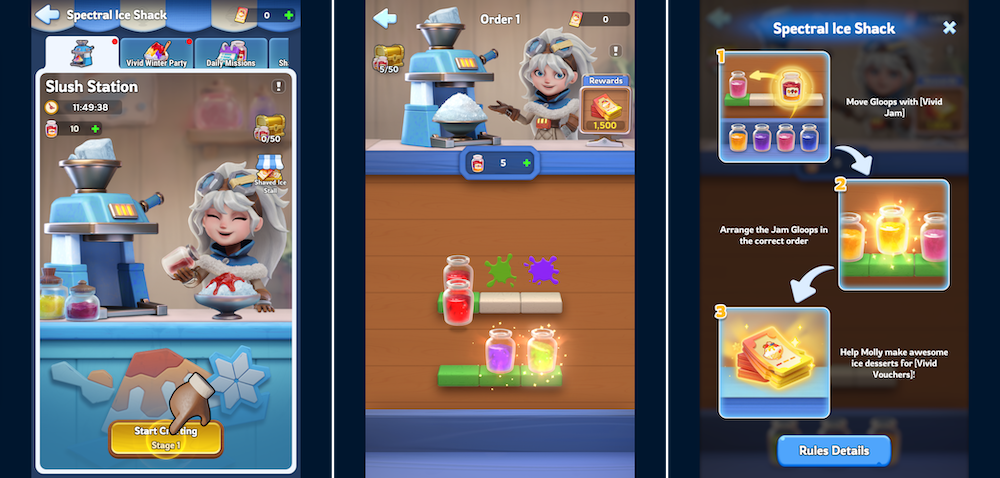
For a midcore 4X game, this provides low-cognitive-load breaks for its player base, potentially reducing churn during intense strategy cycles while opening the door to cross-promotion with the publisher’s own casual portfolio.
Additional midcore gaming highlights and news
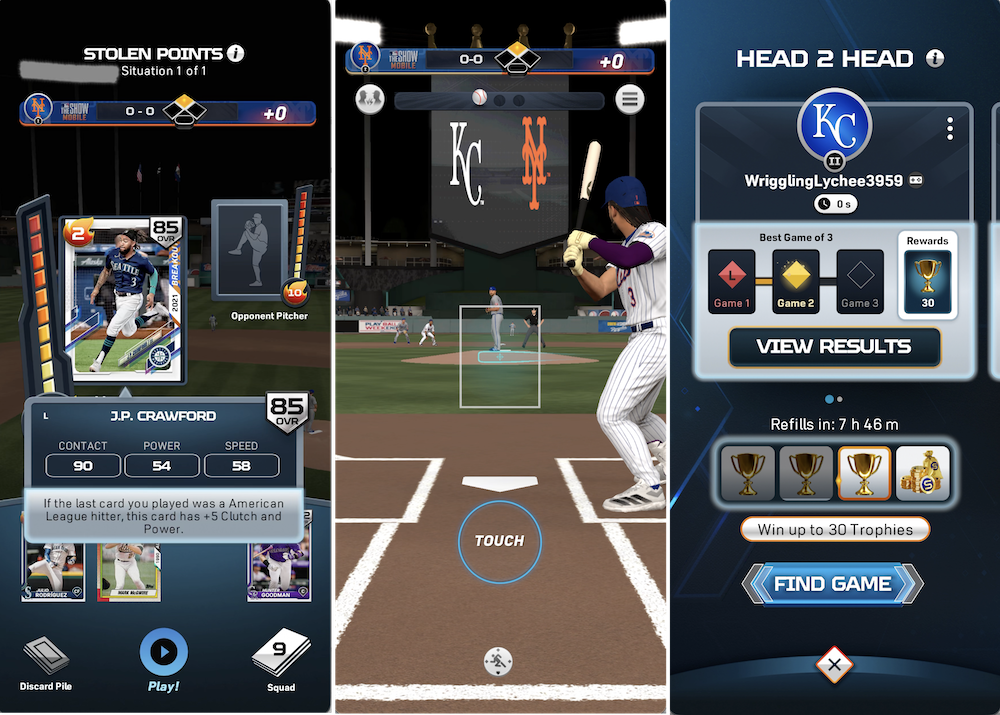
Sony released MLB The Show Mobile Baseball, which debuted at #1 in downloads in late May and quickly peaked at GR #108. This mobile reboot of the console game is Sony/PlayStation’s first major global F2P mobile launch in a long time, raising expectations.
The game made a splash for the first few days, with high DLs and ok revenue, but dropped quickly from the charts after the launch. The Show Mobile keeps many features from the console version and adds a new, more strategic card-battler layer to the gameplay. The batting core is very challenging and rewarding for experienced MLB players. The initial spike shows demand for high-fidelity console IP on mobile, but the subsequent drop highlights the difficulty of balancing hardcore simulation mechanics with accessible F2P progression. This launch will be watched closely by other major console publishers considering similar adaptations.